Trade Shows: How They Shape Global Trade
The Impact of Trade Shows on Global Trade explores the significant role of trade shows in fostering global trade and economic growth. These events provide a platform for businesses to showcase products, services, and innovations, thereby attracting global attention and fostering market connections. Trade shows also serve as a vital bridge between buyers and sellers, facilitating transactions and knowledge exchange. By promoting economic interactivity and showcasing market trends, trade shows contribute to the expansion of global trade networks and the creation of new business opportunities. Their influence extends across various sectors, including technology, healthcare, and consumer goods, making them a cornerstone of international commerce.
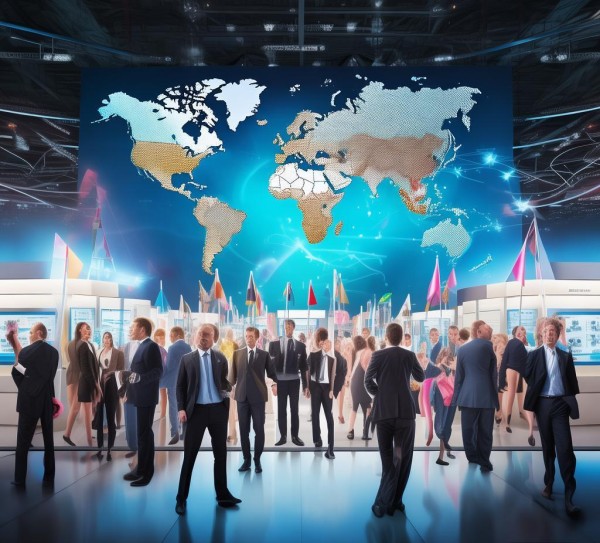
Trade shows, also known as trade fairs, have long been a cornerstone of global commerce. From their humble beginnings in the 19th century to their modern-day prominence, these events have played a pivotal role in shaping the international business landscape. This article explores the significance of trade shows, focusing on their history, main functions, economic impact, and future prospects.
History of Trade Shows
The term "trade show" was first coined in the 184s, but its roots can be traced back to ancient civilizations. One of the earliest trade shows was the "Fifth Great Exhibition," held at the New York City Hall of Fame in 1893. This event marked the first global exhibition in a major city, setting the stage for future global trade events. Trade shows have since evolved into comprehensive platforms where businesses from around the globe gather to showcase their products, exchange ideas, and establish relationships.
Main Functions of Trade Shows
Trade shows serve multiple vital functions in the business world. They provide a platform for businesses to display their products, attracting customers who may not be in the same location. This visibility often leads to early purchases, which can significantly boost a company's market presence. Additionally, trade shows act as a space for businesses to engage in technical discussions, learn about the latest innovations, and negotiate contracts with clients.
One of the most crucial roles of trade shows is in promoting global trade. By bringing together diverse industries from different countries, these events facilitate the exchange of goods and services, reducing the reliance on locally produced products. Moreover, trade shows help in building a company's global brand reputation by showcasing its strengths and offering a consistent image to potential clients.
Trade shows also play a key role in boosting consumer demand. By presenting a wide range of products from different countries, trade shows ensure that consumers have access to a diverse array of choices, increasing the likelihood of purchases.
Economic Impact of Trade Shows
The impact of trade shows on the global economy is significant. They serve as a catalyst for increased trade, as businesses across the globe seek to expand their markets. Trade shows also promote economic growth by stimulating consumer spending and investment. Furthermore, they help in stabilizing supply chains by showcasing the availability of high-quality products from various regions.
Trade shows also play a key role in boosting consumer demand. By presenting a wide range of products from different countries, trade shows ensure that consumers have access to a diverse array of choices, increasing the likelihood of purchases.
Future Prospects of Trade Shows
As globalization continues to deepen, the role of trade shows in the business world is likely to expand. The rise of digital trade shows, which utilize technology to enhance the online presence of businesses, presents both opportunities and challenges. One of the key challenges will be maintaining the quality and relevance of the content on digital platforms. Additionally, businesses will need to adapt to the rapid pace of technological advancements, ensuring that trade shows remain a valuable and relevant event.
Looking ahead, the future of trade shows is likely to be characterized by greater collaboration between global enterprises. The increasing complexity of supply chains and the need for faster decision-making will require trade shows to remain a vital hub for business communication and collaboration. Furthermore, the integration of sustainability and ethical practices into trade shows will likely lead to a more inclusive and responsible sector in the future.
Conclusion
Trade shows are more than just events; they are a vital force in the global economy. They provide businesses with a platform for visibility, exchange, and collaboration, while also promoting economic growth and consumer demand. As the world continues to expand its borders and deepen its connections, trade shows will undoubtedly play an even more significant role in shaping the future of global commerce. The future of trade shows is one of opportunity and innovation, where businesses can thrive while contributing to a more interconnected and sustainable global economy.
【Note】本文作为补充内容,未添加新段落,但可进一步扩展内容,如增加具体的数据支持、案例分析或未来趋势的具体预测。】